Goal Setting Is Broken: Here's the New Way Forward
Goals were never meant to carry the weight we've put on them. What actually drives change? The tiny, consistent systems people use every day, not the big ambitions they announce once a year.
Here's the uncomfortable truth: goal setting hasn't been working the way we pretend it does.
We set goals. We forget them. We dust them off at review time or at the end of the year and wonder why nothing changed.
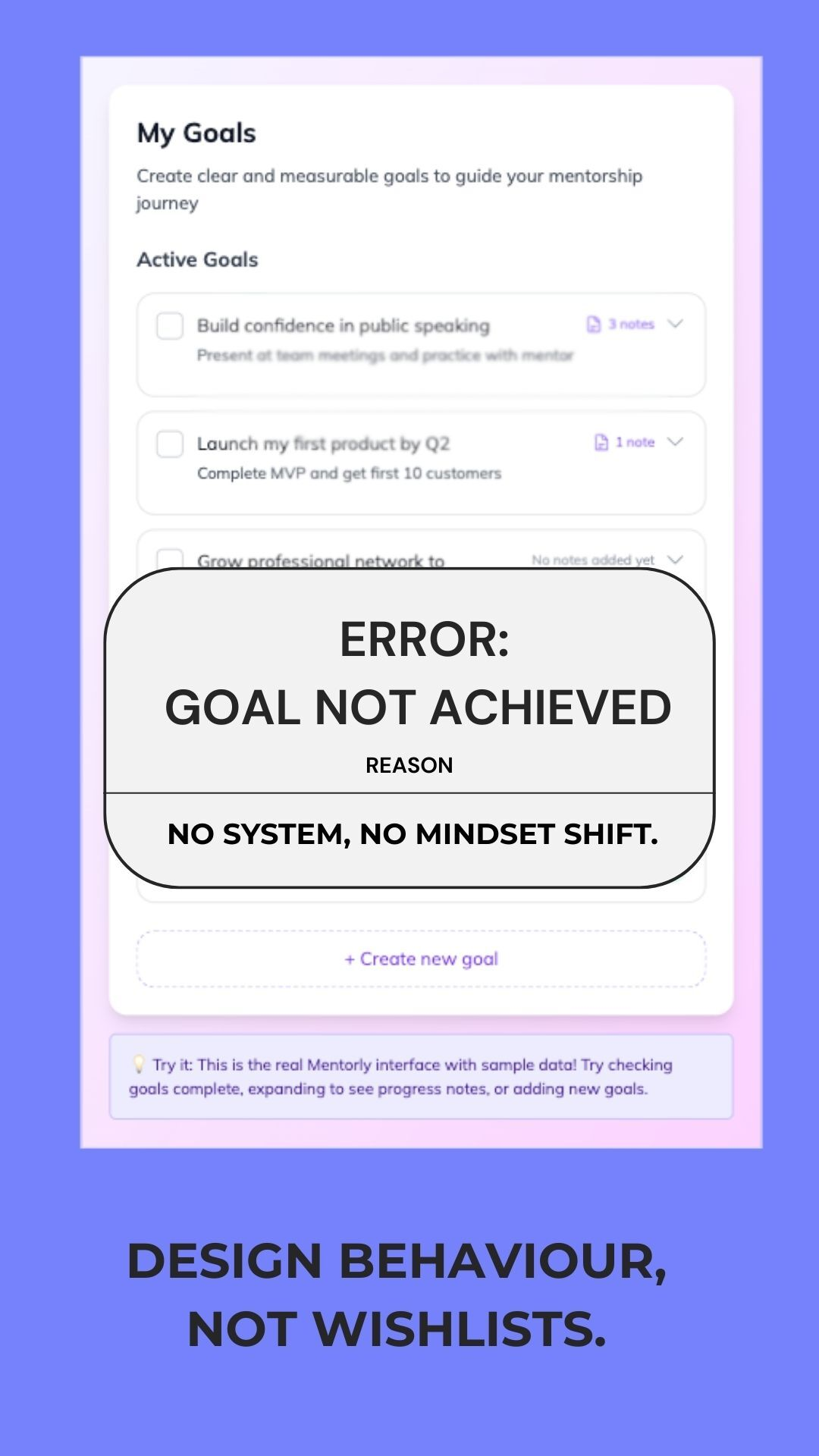
It's not a motivation problem. It's not a discipline problem. It's a design problem.
Goals were never meant to carry the weight we've put on them. Writing "run a marathon" or "become a better leader" in a notebook or on a vision board doesn't magically reshape behaviour, and research keeps proving it.
What actually drives change? The tiny, consistent systems people use every day, not the big ambitions they announce once a year.
Leaders and mentors are starting to recognise this shift. The real work isn't helping someone set a target. It's helping them build the identity, habits, and environment that make the target inevitable. It's helping them grow into the kind of person who achieves goals.
If you guide people, develop talent, or run performance conversations, this isn't just an interesting trend.
It's a signal that the old way of goal setting is collapsing and we're exploring the new, more human approach that's taking its place.
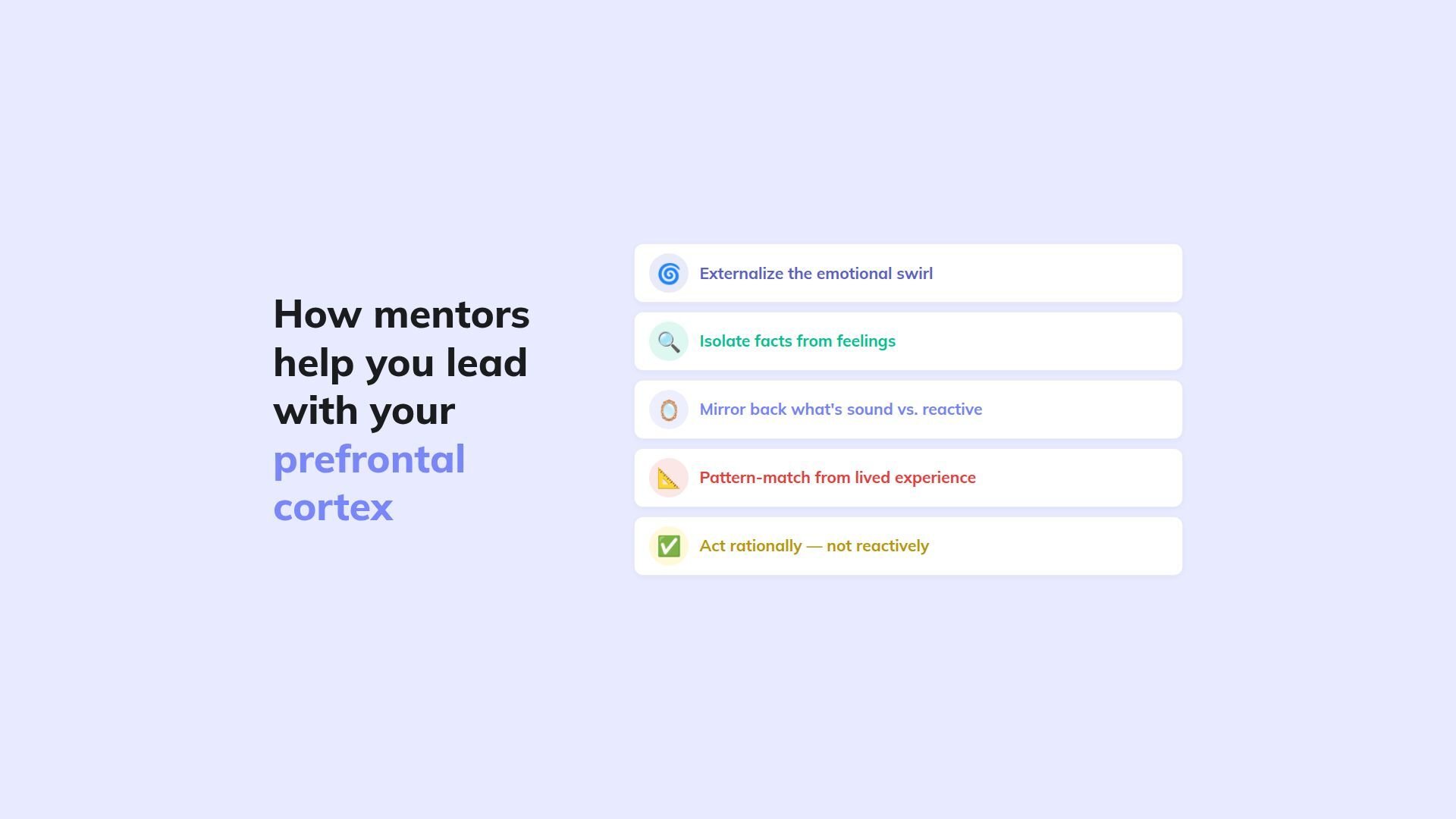
1. Start with Why: The Power of Autonomous Motivation
One of the mistakes we make as mentors or leaders is jumping straight to what someone wants to achieve before exploring why it matters.
Motivation research (Self-determination theory) points to one truth: people stick with goals when those goals feel like a reflection of who they are and who they want to become. When we chase a goal that aligns with our interests, values, or sense of self, we are more likely to stay committed even when the work gets tough (autonomous motivation).
Goals driven by pressure, guilt, or external rewards (controlled motivation) might produce short-term success but rarely lead to sustainable growth or satisfaction. Research on goal pursuit is clear: why someone pursues a goal predicts whether they'll actually achieve it and how they'll feel afterward.
How to apply this as a mentor or leader:
- Ask mentees or team members: "What makes this goal meaningful to you?" or "How does achieving this connect to the kind of leader/person you want to become?"
- If someone can't find personal meaning in a goal, help them reframe it so it connects to something intrinsic: growth, learning, impact, pride, mastery.
- Reinforce progress with identity-based feedback: "You're showing up like someone who values preparation and empathy."
Meaning fuels commitment—but meaning alone won't get someone across the line. That's where systems come in.
2. Systems Over Willpower
You can't "motivate" your way through every challenge. What sustains progress are the habits, routines, and environments that make the right behaviors easier to repeat.
Goal pursuit that focuses only on outcomes ("run a marathon," "hit quota," "get promoted") can lead to what researchers call action crises: emotional conflict between staying committed and giving up.
However, when people shift focus to processes and habits (e.g., "run three times a week,"), motivation stabilizes and progress compounds. Sustainable success comes from improving the process behind performance, not from pushing harder toward the goal itself.
Help your mentees design systems that support their goals:
- Build process goals alongside outcome goals by asking: "What's the habit or rhythm that will naturally lead to this result?"
- Schedule protected time for high-impact work.
- Build reflection habits (e.g., weekly 15-min reviews). Mentorly's Goals provides a private, centralized space to log progress and engage in self-reflection.
Once the right systems are in place, the next challenge is recognising that goals still need flexibility to remain achievable.
3. Flexible Goals Are Smart Goals
We've all heard that goals should be SMART — Specific, Measurable, Achievable, Relevant, and Time-bound. The problem? Real life doesn't always play by the plan.
People who balance tenacity (persistence) with flexibility (the ability to adapt their goals) report better well-being and resilience over time. They don't always hit the original target, but they stay motivated and mentally healthy.
Rigid goals can lead to burnout or shame when life inevitably shifts. Flexible goals allow for learning, growth, and self-compassion.
Encourage your mentees to plan for change by asking them:
- "If things shift, what's your plan B?"
- "What happens if you don't meet this goal?"
- "What would success look like if this goal needed to evolve?"
This simple shift helps people build adaptive resilience, a crucial trait in a fast-paced world where the goal post is constantly changing.
4. Mindfulness Boosts Motivation (and Reduces Burnout)
Mindfulness doesn't just reduce stress, it actually helps people stick to their goals.
When we're mindful, we notice what's driving us and when we're losing alignment. That awareness also prevents "action crises", those moments of conflict where a person is torn between continuing to pursue a goal or giving it up.
It's easy to think motivation fades because people "lose focus." In reality, they often lose connection to the purpose behind their goals.
Studies on mindfulness and self-reflection show that pausing to check in reignites intrinsic motivation, especially when our systems fail. Progress reviews shouldn't just track metrics; they should explore meaning, motivation, and learning.
Try this in mentoring sessions:
- End sessions with a reflection question like: "What small win are you proud of this week?", "What's driving me right now?"
- Encourage mentees to review habits weekly/monthly: "What's working? What needs to shift? What's getting in my way?"
- Encourage journaling or voice notes between sessions to notice patterns in motivation and energy.
Reflection transforms goal pursuit from a checklist into a learning journey.
5. Redefine Success and Failure
Overly specific, high-stakes goals can sometimes backfire. When people miss a target, it can hurt confidence and derail future motivation.
Normalize mistakes, setbacks and adaptations. Make it safe to say "this didn't go as planned, here's what I learned" rather than "I failed".
Goals work best when they're challenging but psychologically safe.
As a leader or mentor, you can protect confidence by:
- Normalizing learning from setbacks ("What's this teaching you?" instead of "Why didn't this work?").
- Building "check-in" milestones to course-correct before a goal becomes demotivating.
- Celebrate identity shifts, not just achievements. Recognize the person someone is becoming, not only what they're accomplishing.
Remember: the purpose of a goal isn't perfection, it's growing into the person/leader they want to become.
The old model taught us to set goals and hope. The new model teaches us to design the conditions that make progress inevitable.
That's the shift modern mentors and leaders are stepping into — from managing outcomes to shaping identity, from demanding consistency to engineering it, from chasing motivation to cultivating meaning.
When we help people build systems, self-awareness, and psychological safety, goals stop being fragile promises and start becoming natural results.
Because ultimately, goals don't create growth. Growth defines the goals.